Over-tourism has a way of hollowing out the very places people travel to see. The good news: for every honeypot there’s a quieter alternative that delivers the same awe, often more of it, because you’re sharing it with almost no one. Here are seven that are still, for now, under the radar.
1. The Faroe Islands, instead of Iceland
Iceland’s wilder, greener cousin: sea cliffs, turf-roofed churches and waterfalls that pour straight into the Atlantic, with a fraction of the visitors.
2. Albania’s Riviera, instead of Croatia
The same turquoise Adriatic and stone villages, minus the cruise-ship crowds and at half the price.
3. Madagascar, instead of the classic safari
The “eighth continent”: baobab avenues, lemurs and landscapes that exist nowhere else on Earth.
4. Georgia, instead of the Alps
The Caucasus mountains rival any alpine range, wrapped in ancient hilltop churches and one of the world’s great food cultures.
5. Ra’iatea, instead of Bora Bora
French Polynesia’s sacred island: the same impossible lagoon blues, without the honeymoon price tag.
6. Kyrgyzstan, instead of Nepal
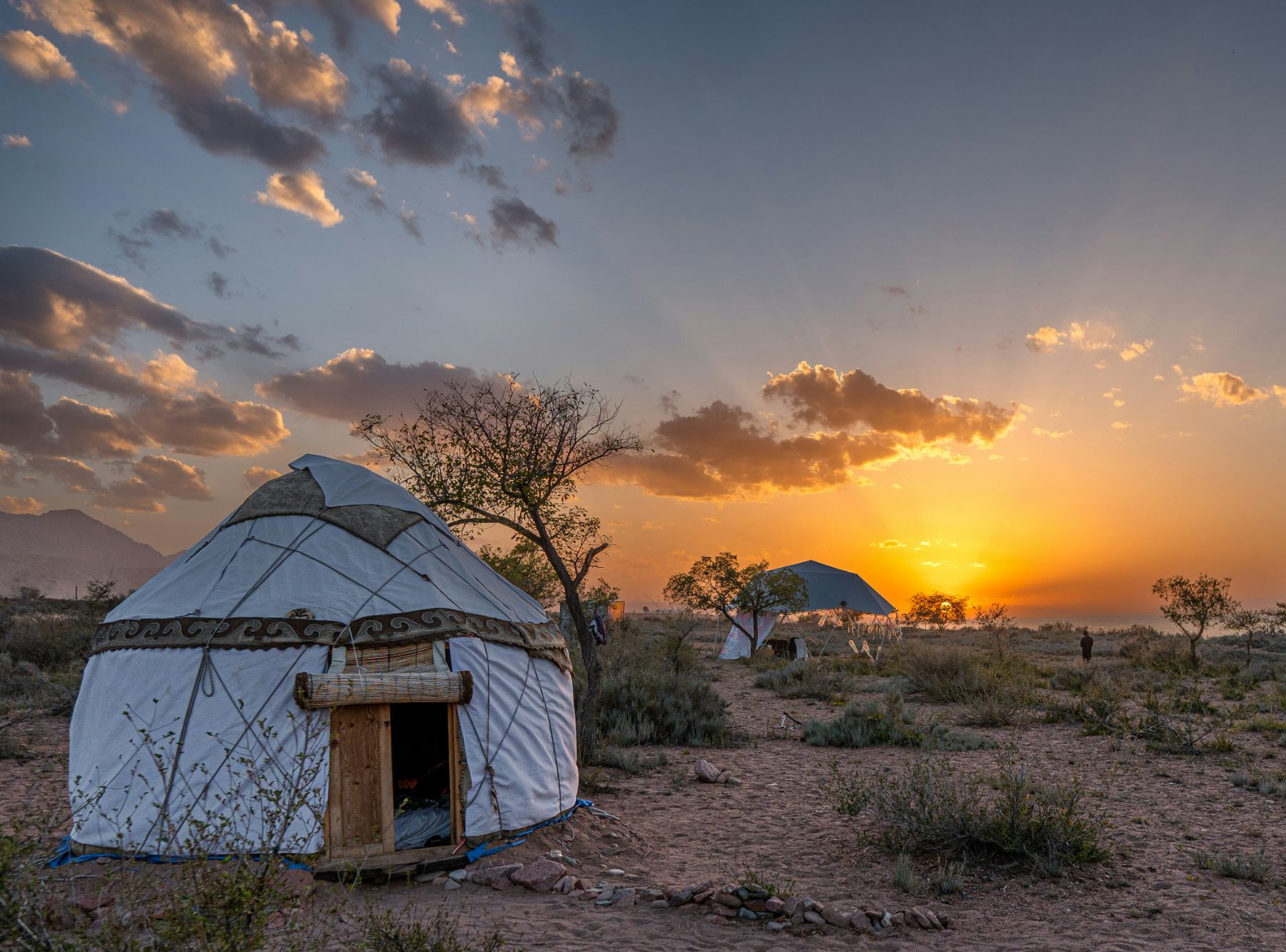
High-altitude lakes, yurt stays and horseback trekking through the Tian Shan, genuine wilderness with barely a trekker in sight.
7. Colombia’s Coffee Region, instead of the usual Andes
Wax palms, green valleys and warm towns, all the drama of the Andes with the friendliest welcome in South America.
Go now, go gently
The reason these places still feel wild is that few people visit. When you go, spend locally, tread lightly and resist the urge to geotag every last spot. The best way to protect an underrated place is to be a good guest.
Frequently asked questions
What are the most underrated travel destinations?
My list includes the Faroe Islands, Albania’s Riviera, Madagascar, Georgia, Ra’iatea in French Polynesia, Kyrgyzstan and Colombia’s Coffee Region. Each one gives you the same sort of wow as a much busier place, but with far fewer people around.
Why is overtourism a problem?
When too many visitors arrive at once it puts real pressure on local housing, roads, water and wildlife, and it can price locals out of their own towns. It also spoils the experience for everyone, which is why spreading out to quieter places really helps.
How can I travel responsibly to less visited places?
Stay in locally owned places, eat in local restaurants and hire local guides, so your money stays in the community. Respect local customs, stick to paths and think twice before geotagging a fragile spot that relies on staying quiet.
Are the Faroe Islands a good alternative to Iceland?
Yes, if you love dramatic cliffs, waterfalls and wild coastlines, the Faroes give you all of that on a smaller scale and with far fewer visitors. The weather changes by the hour and there isn’t much accommodation, so book early and pack for anything.
When is the best time to visit Madagascar?
The dry season, roughly April to November, is the best time for most of the island, with easier roads and plenty of wildlife about. Try to avoid January to March, which is the heart of the rainy and cyclone season.